
Master Escape from Tarkov armor guide: compare armor levels, vests vs. rigs, and budget survival rules to avoid costly gear mistakes.
As a player who has lost more kits than I care to count, I have come to understand that Escape from Tarkov does not care about your favorite gun the way other shooters do. In this game, the ammunition you load determines whether a bullet penetrates armor, not the firearm itself. That single fact changed how I think about every raid. Before I understood armor, I would spend everything on a cool-looking vest, sprint into a fight, and then watch my expensive mistake disappear with my corpse. Now, I treat armor as a calculated risk rather than a guarantee of survival. This is my field-tested breakdown of how armor works, what to consider, and what I wish someone had told me when I started.
My First Lesson: Cost Is a Survival Mechanic
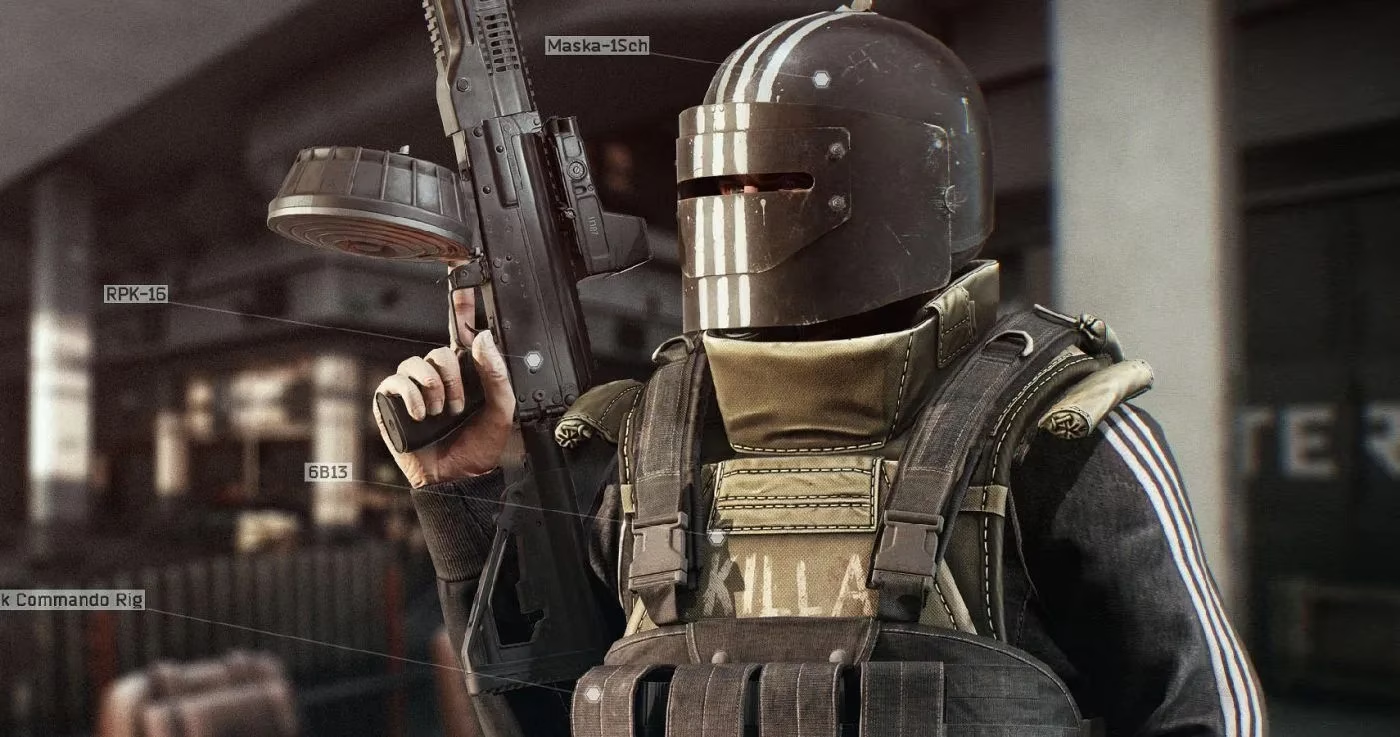
I learned early that every rouble spent on armor is a rouble I might not get back. In Escape from Tarkov, death means losing your carried items, so a beginner wearing top-tier armor into a bad fight is basically donating gear. My rule is simple: if I cannot afford to lose it, I do not wear it. Save the expensive pieces for when your weapons, map knowledge, and decision-making give you a real chance to survive.
Here is what I keep in mind before buying or equipping armor:
-
🪙 Starting players should avoid expensive armor and rely on looted pieces.
-
⚠️ One wrong turn can erase your investment.
-
🎯 Wear armor you will not miss because, statistically, you probably will lose it.
Vests vs. Rigs: Inventory Matters More Than You Think
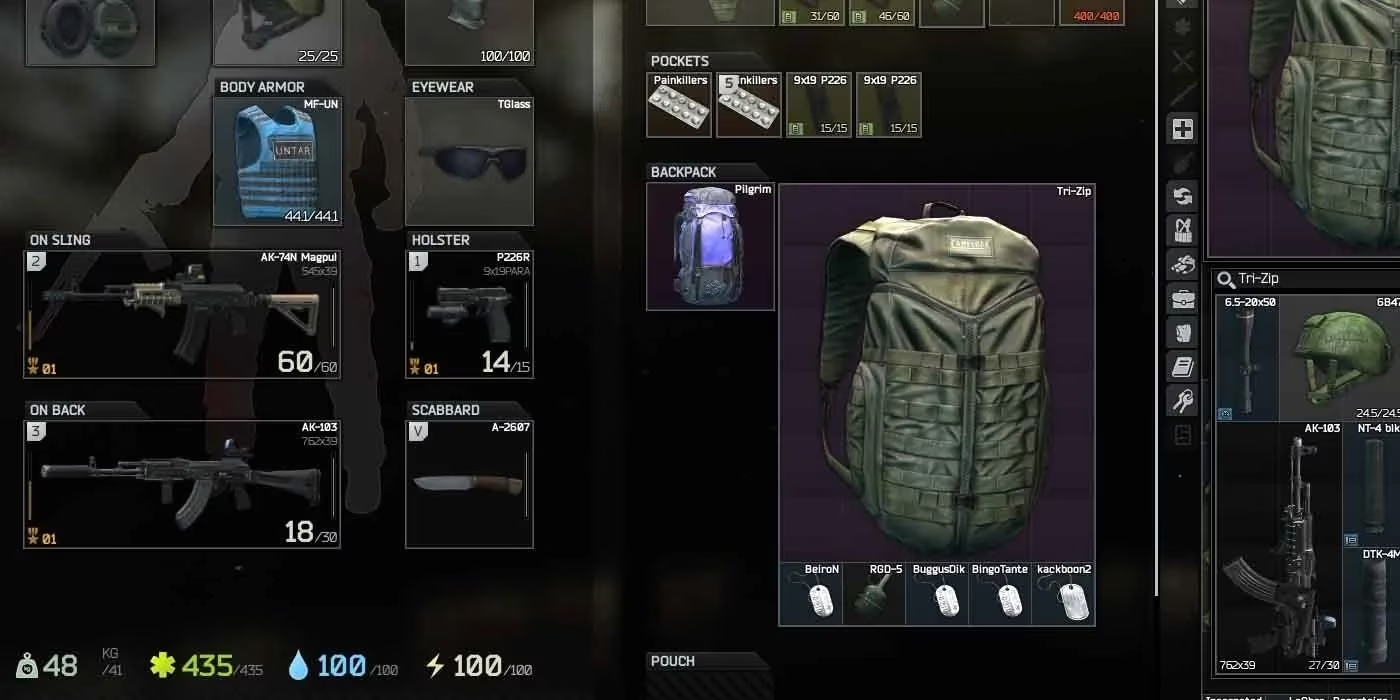
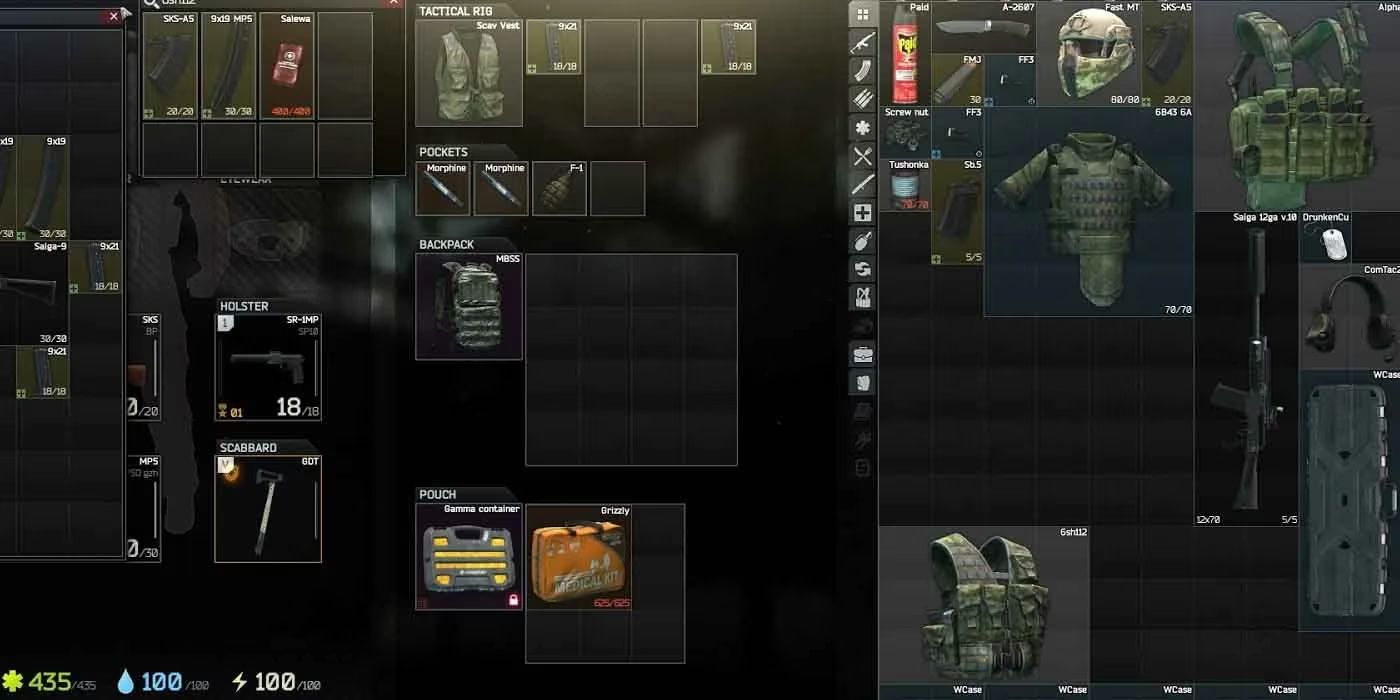
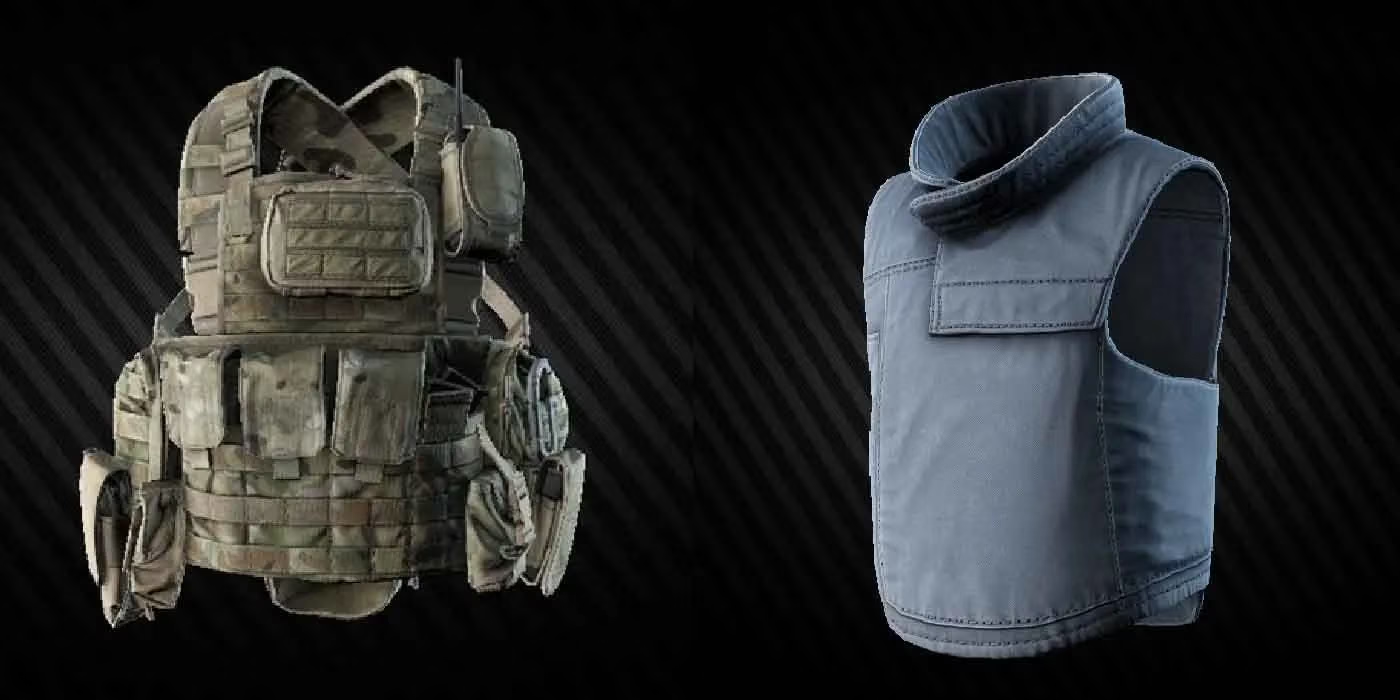
There are two main torso options in Tarkov: standard vests and armor rigs. I used to ignore rigs because they seemed unnecessary, but now I prefer them for three reasons. Many rigs offer better protection than vests. Rigs are slower and clunkier to equip, which means an enemy looting your body may not bother taking them because they are exposed longer while swapping gear. And rigs give extra magazine space, which keeps me in the fight without rummaging through my backpack.
| Armor Type | Protection | Loot Risk | Magazine Space |
|---|---|---|---|
| Vest | Varies | Easier to loot | Limited |
| Rig | Often better | Harder to quickly loot | Increased |
Armor Levels: Bigger Number Is Not Always Better
Armor in Tarkov is rated from class 2 to class 6. The higher the class, the stronger the armor, but the heavier and more cumbersome it becomes. I find class 3 armor offers a sweet spot between protection and mobility, especially on larger maps where running matters. New players often assume class 6 armor makes them invincible. It does not. Heavy armor slows movement and turn speed, and a well-placed shot can still kill you. I would rather stay mobile than feel like a walking target.
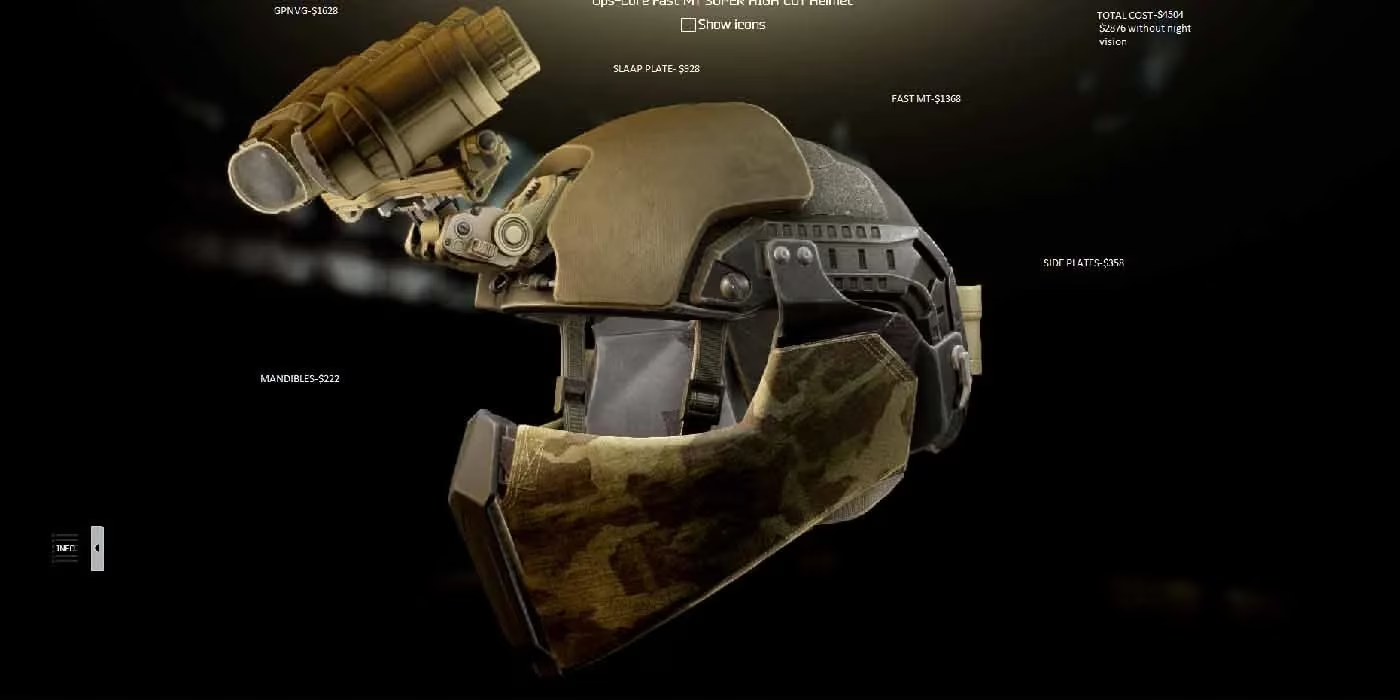
Helmets: Ricochet Chance Does Not Mean Invincibility
Helmets share the same class rating as body armor, but they also have a ricochet value. That value represents the chance a bullet deflects instead of penetrating. Many experienced players, myself included, are skeptical of helmets. Helmets are weaker than body armor even at the same class. Worse, veteran players learn to aim for the legs when they spot a well-helmeted opponent. A high-tier helmet may save you from a lucky pistol round, but it will not save you from a player who knows where to shoot.
Repairing: The Hidden Cost That Broke My Bank
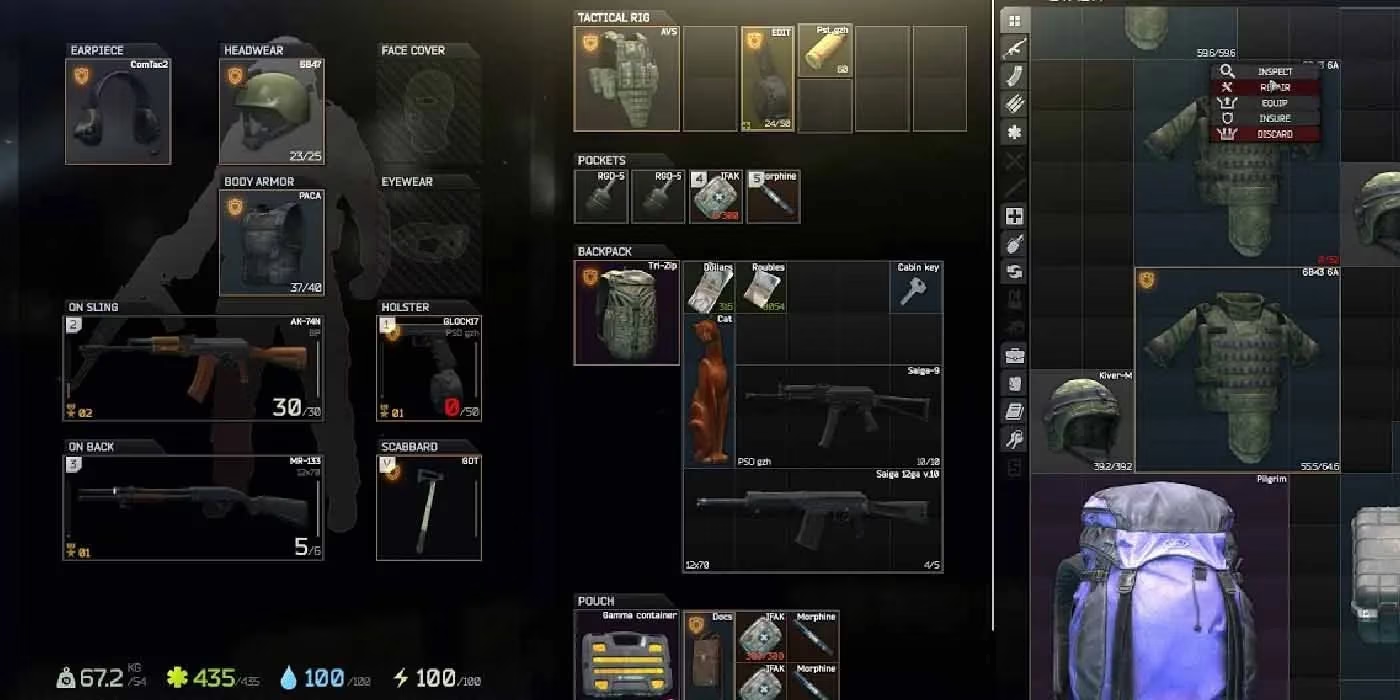
I made the mistake of spending all my roubles on armor and then having nothing left to repair it after a few raids. Repairing restores lost durability, but it permanently lowers the armor's maximum durability. Over time, that favorite vest becomes weaker with every repair. Some materials are cheaper to repair than others, while ceramic plates lose durability quickly and cannot be repaired at all. Now I check both purchase price and repair cost before committing.
Armor Attributes: Reading the Numbers Saved My Raids
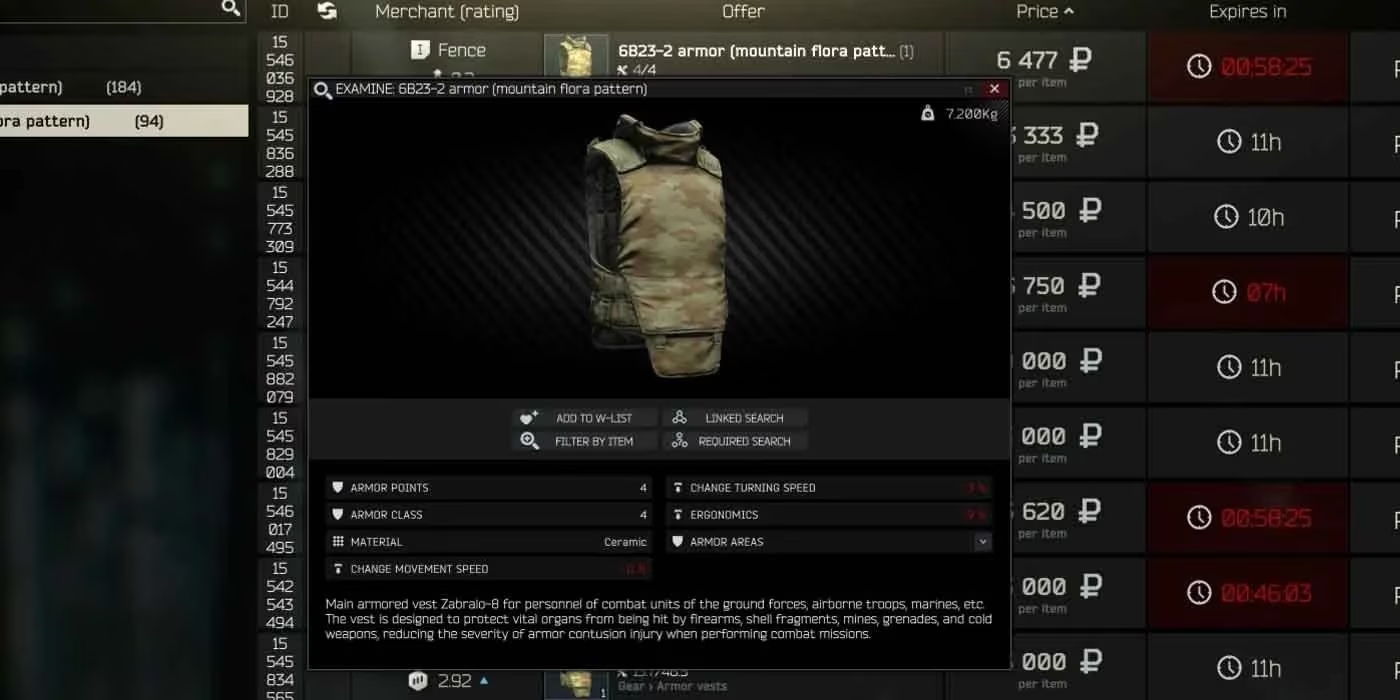
Every armor piece has attributes that go beyond class rating. Armor points indicate durability, or how much damage the armor can absorb before failing. Armor class reflects penetration resistance. Negative attributes include movement speed penalties, turn speed reduction, and a lower ergonomic score. The material also matters, even though it does not have a numeric value. I now read every stat before buying.
Coverage Areas: Your Armor Is Not a Full Shield
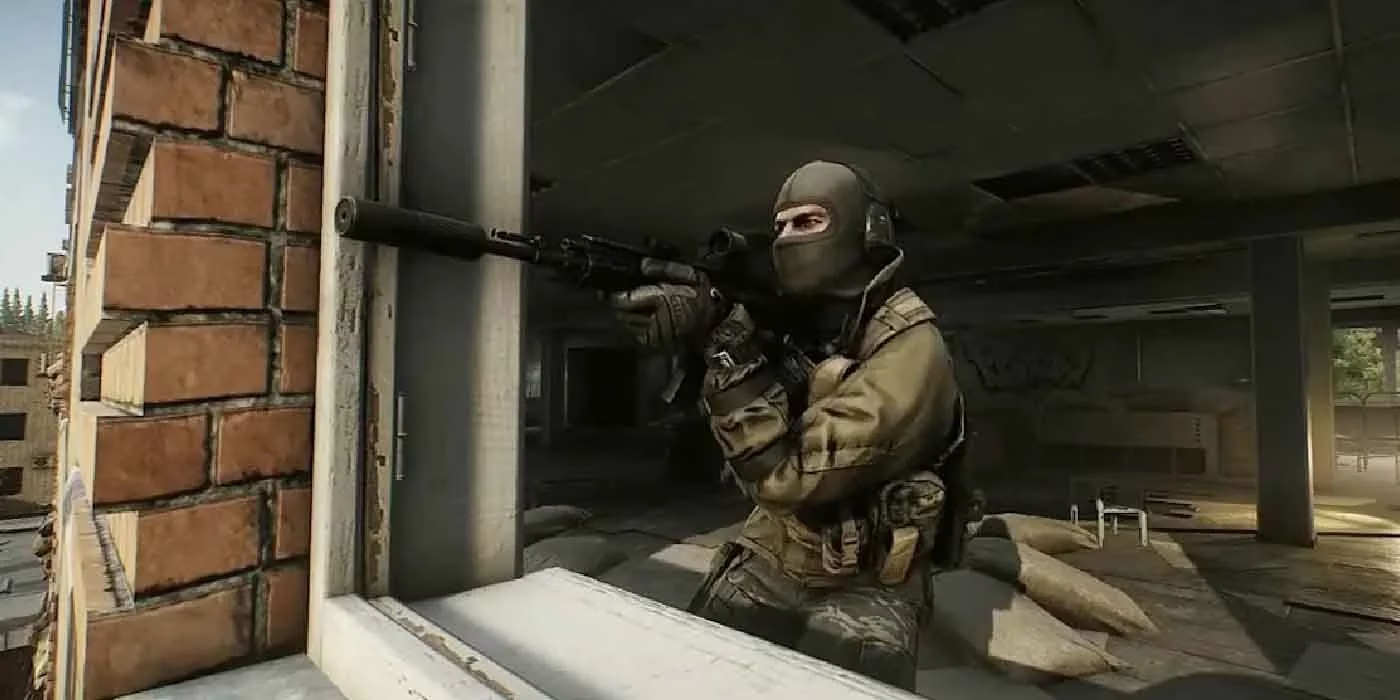
Not all armor protects the same body areas. The thorax is the most common coverage, meaning the front and back of the torso but not the sides. Some armor wraps around to protect the stomach, and a few pieces cover the arms. Helmets almost never cover the entire head; they leave gaps. A high-class vest will not help if the enemy shoots your unprotected stomach or arms, so I check coverage carefully.
Materials: Choose Your Repair Penalty Wisely
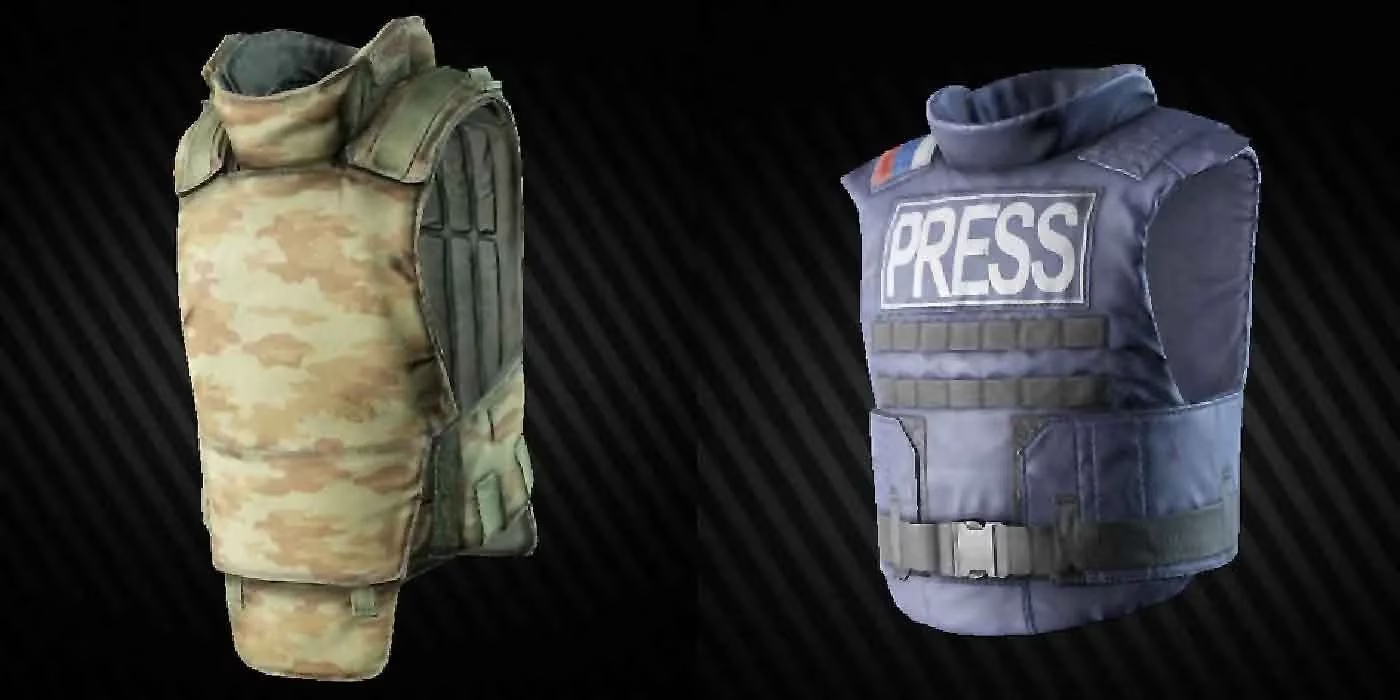
Armor materials affect both protection and repair behavior. Ceramic plating stops powerful ammunition but cannot be repaired. Steel and polymer are the easiest to repair, followed by aluminum, titan, and aramid. Combined materials, ceramic, and glass are the worst for repairing. Softer materials are less likely to stop high-powered ammunition but offer better mobility and a lower ergonomic penalty. I try to match material to my playstyle: armor for a quick run versus armor for holding an angle.
Encumbrance: The Ergonomic Trap
Heavy armor can make you feel like a tank, but that feeling fades when your aim-down-sights time is so slow that a lightly armored opponent shoots first. A lower ergonomic rating means slower ADS. Some ammunition can punch through even the toughest armor anyway, and helmets have unprotected spots. I avoid going full heavy metal unless I know the map and have a squad covering my flanks. Mobility often beats raw protection.
My Recommendations for 2026
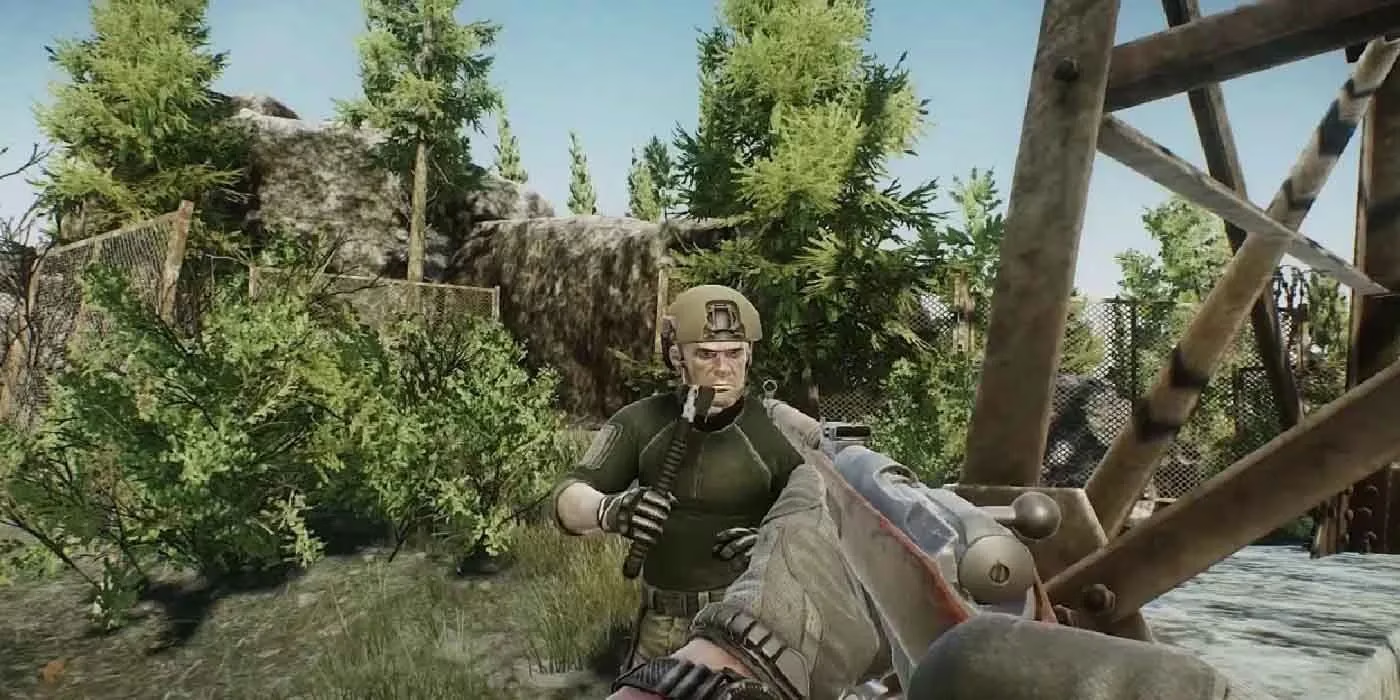
If I were starting over today, I would avoid expensive armor entirely and only use what I scavenge. A solid early option is the 6B2 Armor. It is only class 2, but it has a lot of durability, covers the thorax and stomach, is not too expensive to repair, and does not slow you down much. Once I have roubles and experience, I might try FORT armor with ceramic plates for a big survivability boost, but only on raids where the risk is justified.
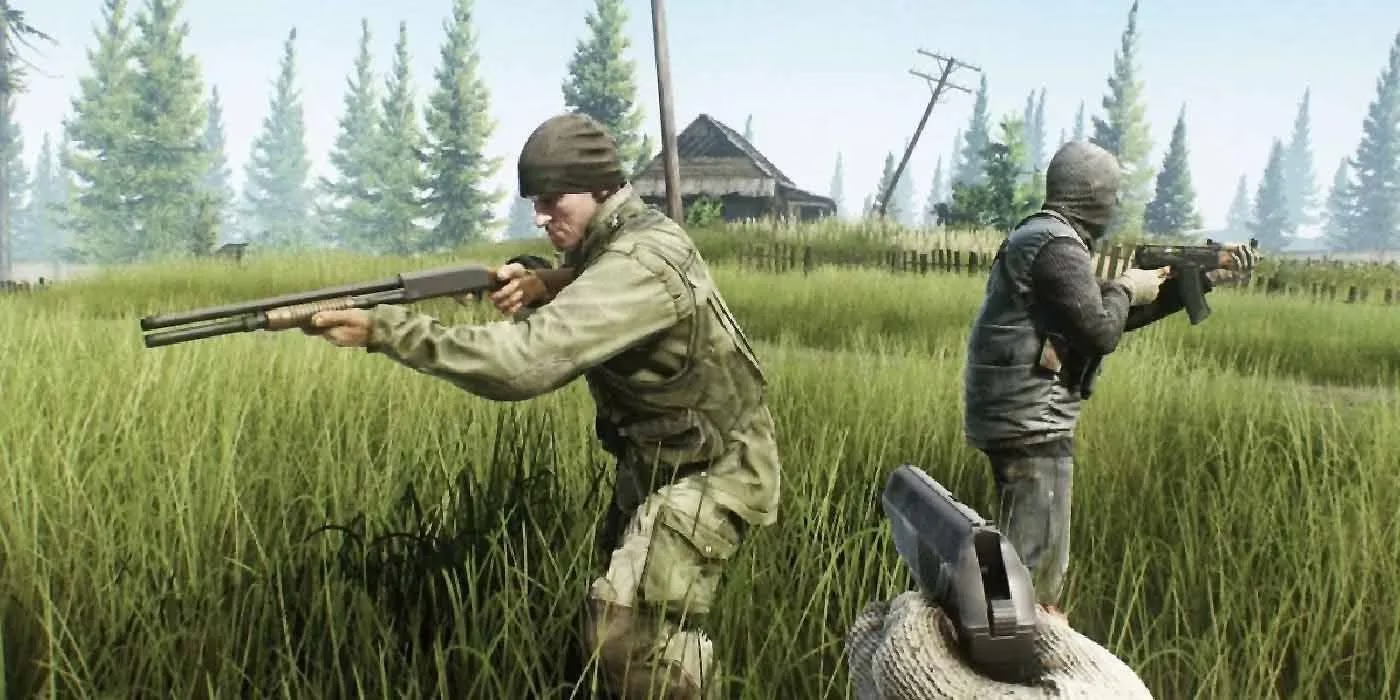
In the end, armor in Escape from Tarkov is not a simple upgrade. It is a web of cost, coverage, material, repair, and mobility trade-offs. The best armor is the one you can afford to lose and still have fun. I hope my mistakes help you survive your next raid.
According to coverage from PC Gamer, Escape from Tarkov’s survivability is less about “best-in-slot” gear and more about managing risk through information—ammo choice, armor class, and mobility penalties all interact, so a high-tier vest can still be a bad pick if it slows you into losing angles or encourages overconfidence. Framing armor as a consumable resource (factoring repair degradation, coverage gaps, and how likely enemies are to loot a rig versus a vest) aligns with the practical raid mindset: spend roubles where they actually change outcomes, and treat everything else as a calculated loss.